
Which fecal test your pet needs depends on what we are trying to rule out, because no single one finds everything. A standard float spots parasite eggs under the microscope and works well for routine screening when your pet is healthy. An antigen test is fast and finds proteins from specific organisms, while a PCR panel looks for the genetic material of parasites, bacteria, and viruses, which catches organisms shedding in numbers too small, or too irregularly, for a float to find. Choosing well matters because a missed infection keeps your pet sick, and a few of these organisms can pass to the people in your home.
Memorial Villages Animal Hospital in Houston runs fecal testing with the test matched to the pet and their symptoms, not as a standard checklist. Recurring diarrhea wears on you and your pet, so we would rather match the test to what we are actually looking for than run the same screen again and hope for a different answer. Houston barely freezes, so hookworm larvae survive in yards and parks all winter, and roundworm eggs persist in soil for years regardless of season, which makes exposure as much a part of the decision as symptoms. If your pet's GI signs are not clearing up, let us take a look.
What a Float Catches and What It Misses
- A negative fecal float means no eggs showed up in that sample on that day, which isn't the same as a clean bill of health.
- Antigen testing looks for proteins an organism leaves behind, so it finds Giardia and a few other troublemakers that hide from a microscope slide.
- PCR reads genetic material, so it names bacteria and viruses a float has no way to see, along with parasites that shed too lightly to spot.
- Most intestinal parasites cause no visible signs until an infection is heavy, which is why screening happens before anyone sees a problem.
How Does a Fecal Float Work?
A fecal float mixes stool with a dense solution that lifts parasite eggs to the top, where they collect on a coverslip for the microscope. Roundworms and hookworms shed eggs in high enough numbers that a standard float catches them reliably, which makes flotation a sound yearly screen for a healthy adult pet.
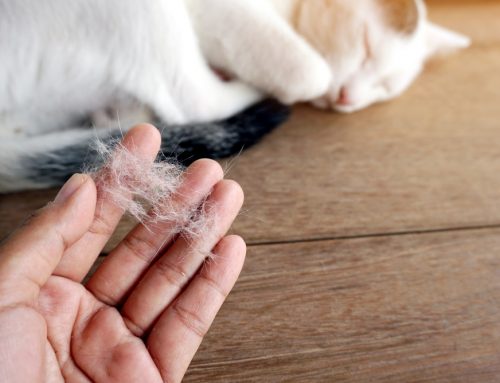
Flotation also picks up Coccidia and the eggs of some tapeworms, though tapeworm segments break off whole and crawl out on their own, so the classic sign is rice-like grains stuck to the fur near the tail rather than anything on a slide. Whipworm eggs turn up as well when the timing cooperates.
Puppies and kittens are the exception. Many arrive already carrying roundworms passed along from their mother, so they get checked more than once during those first months rather than once a year alongside the rest of preventive care.
Why Did My Pet's Fecal Test Come Back Negative When They're Still Sick?
A negative float means no eggs were seen in that sample, on that day. Parasites shed on their own schedule, immature worms haven't started laying yet, and some organisms are too small or too delicate to survive the process.
Here's what gets in the way:
- Shedding comes in waves: Whipworms shed eggs in low numbers and only in bursts, so an infected dog can hand you a clean sample one week and a positive one the next.
- Juvenile worms aren't laying yet: A kitten can carry a heavy burden of immature roundworms that won't produce a single egg for another couple of weeks.
- The sample was old or too skimpy: Eggs and cysts break down as stool dries out, and a pea-sized smear doesn't always represent the whole pile.
- Some organisms don't float: Giardia cysts and Cryptosporidium are tiny, and tapeworm eggs stay sealed inside segments that leave the body separately.
- The problem isn't a worm at all: Bacteria, viruses, food changes, and stress colitis leave nothing behind for a microscope to find.
One negative result answers one question, not every question.
What Does Antigen Testing Find That a Float Can't?
Antigen testing looks for proteins an organism sheds rather than eggs under a microscope, so an infection turns up even during the stretches when nothing recognizable is being passed. It's a narrow tool by design, checking a short list of specific organisms instead of everything at once.
Giardia is the parasite that makes this matter most, since its cysts are tiny, shed erratically, and can move from a pet to the people cleaning up after it. Giardiasis tends to look like greasy, foul-smelling diarrhea that clears for a few days and then returns, and it's common in young animals who drink from shared bowls, puddles, and the standing water a Houston yard holds after every rain.
How Does Fecal PCR Testing Work?
PCR changes what fecal testing can find, because DNA from an organism sits in the stool whether or not that organism is shedding eggs that day. The laboratory copies those genetic fragments until they're detectable, then reports on every pathogen the panel covers: the common intestinal worms, the protozoa that dodge a slide, several bacteria, and the viruses behind the worst GI illness in young animals. Those samples travel to an outside reference laboratory, so results take days rather than minutes, which is part of why a broad panel isn't the right opening move for every wiggly puppy with one soft stool.
| Test | What it detects | Where it fits best |
| Fecal flotation | Parasite eggs and oocysts, viewed under a microscope | Routine yearly screening for a healthy dog or cat |
| Antigen test | Proteins shed by specific organisms, chiefly Giardia | Suspected giardiasis, or a negative float in a pet with ongoing loose stool |
| PCR panel | Genetic material from parasites, bacteria, and viruses | Diarrhea that keeps returning, sick puppies and kittens, multi-pet homes, and cases where earlier tests came back clean |
What Shows Up on PCR That Nothing Else Catches?
Bacteria and viruses leave nothing behind for a float or an antigen test to find, so PCR is the only fecal test that can name them, and it also reaches parasites that shed too lightly to see. Which category you're dealing with decides whether the answer is a dewormer, supportive care, or patience.
- Parasites that hide: Tritrichomonas foetus causes stubborn, cow-patty diarrhea in young cats and almost never appears on a routine slide. Cryptosporidium is small enough to be overlooked even when a technician is looking straight at it.
- Bacteria: Salmonella can live in a dog or cat's gut and pass out in the stool of an animal that looks perfectly healthy, and it moves to people through ordinary household contact. Clostridium and certain strains of E. coli register on panels as toxin genes, which is a more useful question than whether the bug is simply present.
- Viruses: Canine parvovirus pours out of a sick puppy in enormous quantities and needs aggressive supportive care within hours, so naming it fast changes the entire plan. Feline panleukopenia does the same to kittens, and because the virus survives in a house for months, confirming it changes how every other cat under that roof is protected. Canine distemper can shed through the GI tract too.
Naming the organism also keeps antibiotics from becoming the reflex. Most loose stool in dogs and cats settles with supportive care, and a drug given blindly can flatten the healthy gut population while doing nothing for a virus.
Some cases can't wait for a mailed result. A puppy or kitten who's vomiting, flat, and passing bloody stool needs urgent care right away, and loose stool that runs past two or three days, or arrives with vomiting, blood, or a pet who won't get up, needs an exam rather than another week of watching. Two things make these cases harder before we ever get a look: skip the leftover dewormer from another pet, because guessing treats the wrong parasite as often as the right one, and never give human anti-diarrheal or bismuth products, which contain salicylates that cats cannot process.
If anyone at home is pregnant, very young, elderly, or taking medication that suppresses the immune system, tell our veterinarians before we choose a test. That detail shifts which organisms we most want ruled out.
How Do We Decide Which Test to Run First?
The right test depends on who your pet is and what they've been doing: age, symptoms, travel, boarding, other animals in the house, and whether anything has already been tried. A healthy adult on monthly prevention needs a different screen than a three-month-old with three weeks of diarrhea. A new puppy or kitten with loose stool is the clearest case for a full panel, since Campylobacter turns up often in young animals and spreads most easily to the children holding them.
| The situation | Where we usually start |
| Healthy adult, annual exam, on monthly prevention | Fecal flotation |
| Soft stool for a few days, still bright and eating | Flotation plus a Giardia antigen test |
| Diarrhea that clears with treatment, then returns weeks later | PCR panel |
| Newly adopted puppy or kitten, or a pet just home from boarding | Flotation, adding a panel if signs are present |
| Negative float and antigen test, stool still loose | PCR panel, with bloodwork or ultrasound as the picture warrants |
| Someone in the household is immunocompromised | Broader testing, aimed at the organisms that matter most for people |
So why not run the panel on everyone? A broad test finds genetic material from organisms that live quietly in a healthy gut without causing trouble, so a positive line on a report still needs interpreting against the exam and the history. Whatever the starting test, a follow-up sample a few weeks after treatment confirms the parasite cleared. Not sure where your pet lands? Talk through which test fits with us before you collect the sample.
Does Testing Still Matter If My Pet's on Monthly Prevention?
Prevention and screening do two different jobs. No single product covers every organism, doses get missed or vomited back up, and exposure happens in the gap between treatments. Routine testing confirms the plan is holding and catches the parasites the product was never built to handle.
Year-round parasite prevention does double duty, because every month a dog isn't shedding roundworms or hookworms is a month those eggs aren't seeded into the yard for the next pet or child. Broad-spectrum products handle roundworms and hookworms well, cover whipworms and tapeworms depending on the formulation, and do essentially nothing against Giardia, Coccidia, or bacterial causes of diarrhea.
The plan should fit the animal. A cat who has never set a paw outside a third-floor apartment carries different risk than a retriever splashing through bayou trails every weekend, and a household with crawling babies deserves a more cautious approach. Puppies, kittens, seniors with new GI signs, pets with exposure to farm animals, and pets in multi-animal homes need a closer look than the once-a-year baseline that suits most healthy adults. If it's been a while, book the annual exam and bring a fresh sample along.
What Houston Pet Families Ask Us About Stool Testing
How fresh does the stool sample need to be?
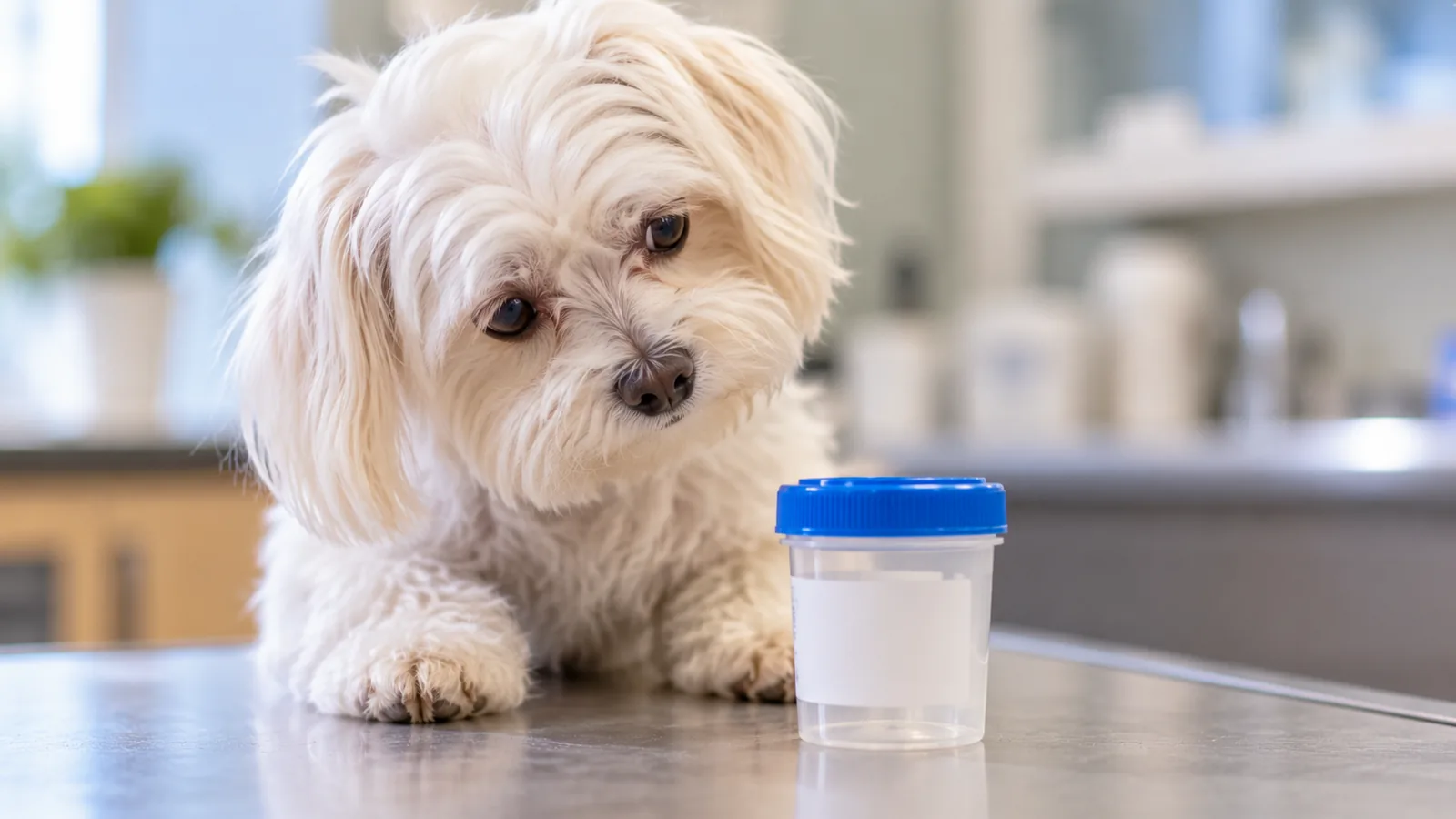
Cysts and larvae start breaking down within hours, so something passed that same morning gives us the most to work with. If you collect it the night before, seal it in a bag or clean container and refrigerate it, never freeze it. Skip anything that's been baking in the yard for days or is mixed with grass, dirt, or a lot of litter. A grape-sized amount is plenty, and a small amount of cat litter is okay.
Is an antigen test the same thing as PCR?
An antigen test and a PCR panel are built for different jobs. Antigen testing hunts for proteins from a short list of organisms, usually Giardia, and gives a quick yes or no on that one question. PCR reads genetic material from a long roster of parasites, bacteria, and viruses at an outside laboratory, and the answer takes several days. One closes a narrow question fast; the other opens the whole field when the narrow answers haven't helped.
Can my dog pick up parasites if they only go in the backyard?
A fenced yard is not a closed system, and zoonotic parasites leave eggs in soil that stay infective for months, waiting on the next pet or barefoot kid who crosses the grass. Opossums, raccoons, and neighborhood cats travel through at night, heavy rain moves contaminated soil around, and a previous pet may have left something behind years ago. Fleas that carry tapeworms can come in on your pant leg or from a squirrel. Backyard-only cuts exposure down considerably, but it doesn't take testing off the table.
Matching the Right Test to the Right Pet
The best parasite strategy isn't running every test on every pet. It's choosing the one most likely to find what's really going on, and when results come in, our veterinarians weigh them against your pet's age, history, and household, because a name on a lab report only helps when it fits the animal in front of us. You don't have to keep guessing your way through recurring diarrhea, so reach out to Memorial Villages Animal Hospital here in Houston and we'll sort out which test gets you a real answer.