
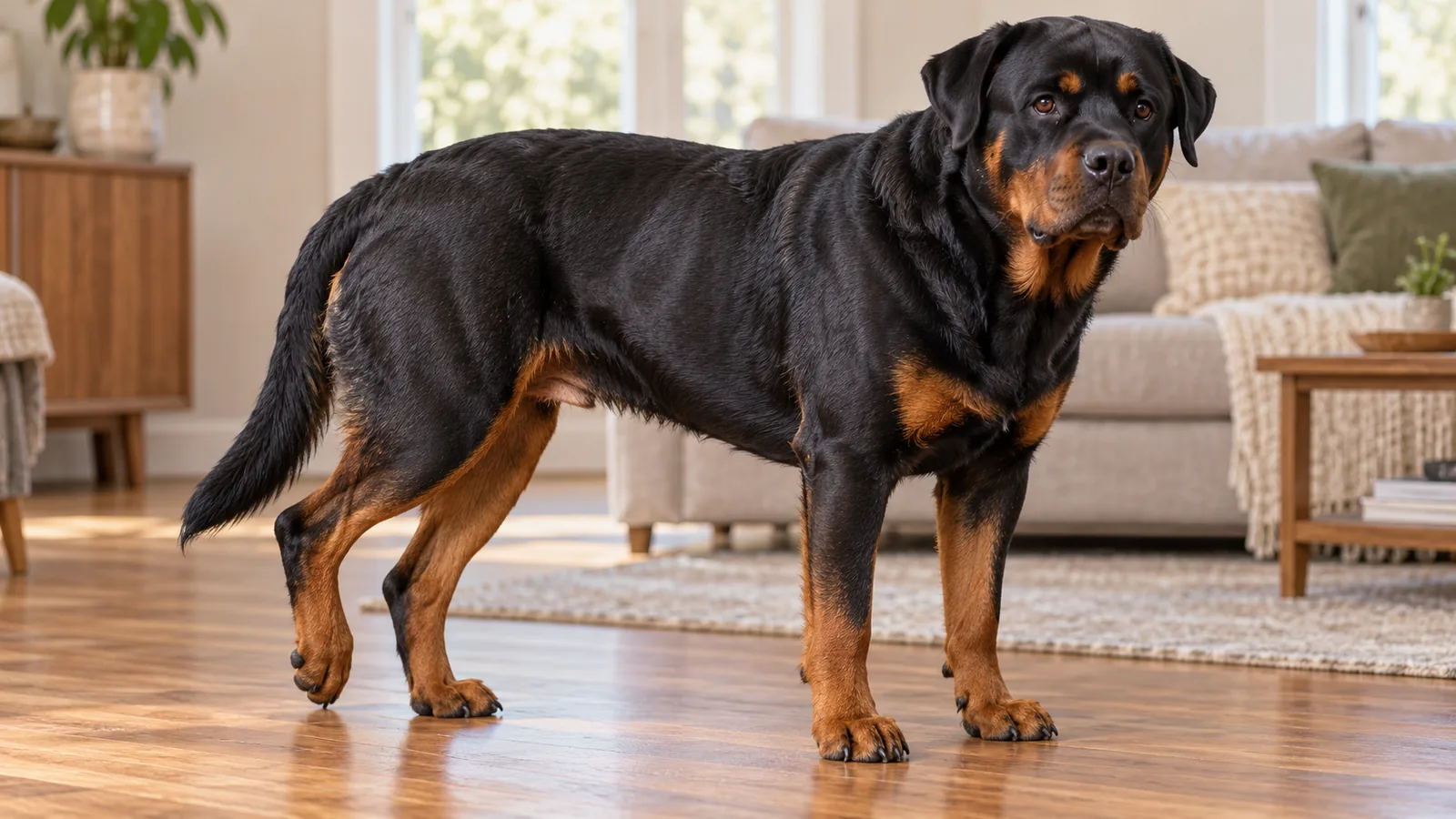
Hip pain reaches the surgery conversation when medication, weight control, and rehabilitation can no longer keep your pet comfortable through an ordinary day. Most dogs and cats get there after months of managing hip dysplasia or arthritis that has ground the cartilage down. Some arrive the other way: a hip knocked out of joint in a car accident or a bad fall is a same-day problem, and a pet diagnosed with Legg-Perthes disease often moves toward surgery soon after the X-rays come back. The slow version is easy to miss, because pets hide pain well and cats in particular tend to quietly stop jumping rather than limp.
Memorial Villages Animal Hospital in Houston spends a lot of time with families who have pets with chronic pain, and digital X-rays show us what the joint is really doing. Our full rehabilitation suite carries pain management well past medication alone, with underwater treadmill work, shockwave therapy, platelet-rich plasma, chiropractic care, acupuncture, and cold laser therapy. That same suite is where recovery happens after a hip surgery, so we stay with your pet on both sides of the decision. If your pet is hesitating at the stairs, start with a mobility and pain assessment.
Hip Surgery for Pets: The Basics
- Most pets reach the surgery conversation only after medication, weight control, and rehabilitation stop holding the pain. A dislocated hip or Legg-Perthes disease moves faster than that.
- An FHO removes the ball of the hip and lets the body build a scar-tissue false joint, which works well for cats and for smaller dogs carrying solid muscle on the hind end.
- A total hip replacement swaps both halves of the joint for implants and comes closest to normal mechanics, which makes it the usual pick for bigger, athletic dogs.
- We refer hip surgery to the orthopedic specialists next door, while the X-rays beforehand and the rehabilitation afterward happen with us.
Which Hip Problems Send Pets to Surgery?
Four diagnoses account for most hip surgery in dogs and cats: hip dysplasia, a hip displaced out of its socket, Legg-Perthes disease in young small breed dogs and cats, and arthritis that has outrun what medication can do. A sore back leg isn't always the hip, though. A torn knee ligament, a fracture, or a bone tumor can look much the same, so the exam and the X-rays come before any surgical conversation.
Hip Dysplasia in Dogs and Cats
Canine hip dysplasia begins when the ball and the socket grow at mismatched rates, leaving a joint loose enough that ordinary walking wears the cartilage down and arthritis sets in early. Labradors, German Shepherds, Golden Retrievers, and Rottweilers come up most often. Feline hip dysplasia is more common than many families realize, especially in Maine Coons and other large purebred cats, and it often goes unnoticed because a sore cat gives up the leap to the counter rather than limping.
Hip Luxation After an Accident
Hip luxation means the ball of the joint has come all the way out of the socket, most often after a car strike or a bad fall, and the sooner it goes back in, the better it tends to hold. A closed reduction, which puts the ball back without opening the hip, works for some pets when a sling protects the joint while the soft tissue tightens. When the joint won't stay seated, surgical repair becomes the only durable answer, and a shallow socket from dysplasia slips out again under less force than a normal one. Confine your pet, don't try to work the leg back into place, and call us on the way in, since we see urgent care cases during our open hours. After we've closed, a hip that's out of joint still needs reducing that night, so head for one of Houston's 24-hour emergency hospitals.
Legg-Perthes Disease in Small Breeds and Cats
Legg-Perthes disease starts when blood flow to the ball of the hip is interrupted and the bone slowly collapses. It shows up during the first year of life, usually as a young patient who starts favoring or refusing to bear weight on one back leg. Yorkies, Miniature Pinschers, and other toy breeds come up most, and it turns up occasionally in cats. Once that ball has broken down, no medication rebuilds it, so surgery is typically the answer.
Advanced Hip Arthritis
Severe osteoarthritis in dogs and cats becomes a surgical conversation when daily pain stops responding to medication, weight control, and rehab, and in cats it often shows up as litter box accidents because stepping into the box hurts. Most pets with chronic arthritis pain don’t need surgery, and respond well to a combination of traditional pain medication, regenerative therapies, and rehabilitation. Our doctors will go over the many options in detail and help you create a plan to keep your pet mobile and comfortable.
How Do I Know If My Pet's Hip Pain Is Getting Worse?
Worsening hip pain usually shows up as things your pet has stopped doing rather than as a limp, so the most reliable measure at home is what they've given up over the past month. Discomfort that interrupts stairs, sleep, or a trip to the litter box needs an exam and pain management sooner rather than later.
What families notice first:
- Dogs: lagging on a walk they used to lead, hopping with both back legs together like a rabbit, a wide or wobbly back end, and a few seconds of effort to stand up after a nap.
- Cats: skipping the counter or the top of the cat tree, sleeping in lower places, grooming less over the hips and tail base, and sometimes missing the box because stepping into it hurts.
- Either species: a sudden refusal to put any weight on one back leg, which needs attention that day rather than a week of watching.
Pain scoring checklists are useful tools for assessing your pet’s day-to-day mobility and pain levels. Scoring your pet daily can put real numbers on their quality of life. They help you make decisions based on trends, and not on the emotion that comes with seeing your pet hurting on a bad day.
Can Hip Pain Be Managed Without Surgery?
Many pets live comfortably for years without an operation, and a real plan runs several tracks at once:
What you can do yourself:
- Changes at home: rugs over slick floors, a ramp at the back step, and a litter box with a low side.
- A lean body weight: every extra pound adds load on every step, so weight loss is one of the most powerful tools a household controls.
- Joint-health nutrition: Joint supplements help most when they start early and stay consistent, and omega-3 fatty acids carry the strongest evidence among them for calming inflammation inside an arthritic joint.
Medical and integrative therapies for chronic pain at Memorial Villages Animal Hospital:
- Pain medication: Non-steroidal anti-inflammatory drugs, neuromodulating pain medications, and other options are available depending on the severity and type of pain your pet is experiencing. Monthly injectable pain medications now exist for both dogs and cats, which opens up an option for patients who can't tolerate daily pills.
- Structured rehabilitation: Building the muscle that holds the joint steady. Our underwater treadmill work lets a sore hip move through its full range with much of the bodyweight floated off, building that muscle without pounding the cartilage.
- Regenerative medicine: Platelet-rich plasma injections concentrate healing factors from your pet's own blood to settle an inflamed joint.
- Laser therapy: Cold laser therapy helps to decrease inflammation and stimulate healing.
- Shockwave therapy: High-energy sound waves speed healing at the cellular level.
- Integrative therapies: Acupuncture and chiropractic care help decrease pain and improve mobility.
Never give your pet ibuprofen, naproxen, or acetaminophen. Human pain relievers cause kidney damage and stomach ulcers in dogs and can be fatal to cats.
How Does a Femoral Head Ostectomy Relieve Hip Pain?
A femoral head ostectomy, or FHO, removes the ball at the top of the thigh bone, and the body fills that space with fibrous scar tissue that works as a false joint. Pain resolves because bone no longer grinds against bone. The trade is mechanical: the leg may have a slightly shorter stride and a little less range.
Size is the main sorting question. Cats of nearly every build do well with this surgery, as do smaller dogs, and surgeons weigh the muscle on the hind end more heavily than the number on the scale. A young dog with Legg-Perthes is a classic candidate, as is any pet whose socket is too damaged, or whose hip has been dislocated too long, for an implant to seat properly.
Recovery is where the result gets made:
- Rehabilitation isn't optional here: veterinary physical rehabilitation matters because the false joint only carries weight comfortably if the muscles around the hip are strong enough to hold it.
- Weight on the leg comes early: many patients touch the leg down within the first week or two, and the next couple of months are about rebuilding that support.
- Cats need their jumping limited: usually one room, food and water at floor level, and a box they can walk into instead of climb.
What Does a Total Hip Replacement Involve?
Total hip replacement exchanges both halves of the joint, the ball and the socket, for prosthetic components that restore close to normal mechanics, and most good candidates return to near-normal use of the leg. Implants are sized to the individual patient and placed by a board-certified surgeon. A candidate needs a socket healthy enough to anchor the cup and no infection anywhere in the body. Feline implants exist too, and cats who need one are treated at specialty centers that stock feline-sized components. Hip surgery isn't performed at our hospital, so we refer these cases to the specialty hospital next door and can help get that referral set up.
Recovery asks more of a household than an FHO does. The implant needs eight to twelve weeks of strict restriction to let bone grow into it: leash walks only, no stairs, no furniture, and no running. Cats spend that stretch in a confined space with the climbing routes blocked off, since one launch at a bookshelf can undo the repair. Most patients are back to full activity a few months out.
FHO or Total Hip Replacement: Which One Fits My Pet?
The decision turns on three things: your pet's size, the condition of the socket on the X-rays, and what you want their life to look like two years from now.
- What's done to the joint: An FHO takes the ball out and lets scar tissue form a false joint. A replacement swaps both the ball and the socket for implants.
- Best fit: An FHO suits cats and smaller dogs with good hind-end muscle. A replacement suits larger, athletic, and working dogs, cats treated at centers that stock feline implants, and families who want restored function rather than comfort alone.
- Recovery: FHO patients bear weight early, then spend weeks building muscle. Replacement patients need strict confinement for eight to twelve weeks.
- Long-term function: An FHO leaves a comfortable leg with a somewhat altered gait and less range. A replacement comes closest to normal mechanics, with high success rates.
- Main trade-off: FHO results depend on muscle support and are less predictable in big dogs. Replacement complications are uncommon, but more consequential when they happen.
- Cost differences: An FHO is significantly less expensive than a hip replacement. A pet with a hip replacement should expect to have periodic X-ray imaging for life to monitor the health of the bone around the implant, and in some cases the implant needs to be removed or replaced after several years of use.
The workup that settles it starts with hands on the hip: how far it extends before your pet objects, whether the joint clunks, and how much muscle is left on each thigh compared with the other. Imaging comes next, usually under sedation so the positioning is right. Our veterinarians see these pets in rehabilitation every week, so they can tell you what your pet's muscle condition and other joints mean for one option versus the other. A thirteen-year-old with bad elbows and a loose hip is a different conversation than a four-year-old Shepherd who hikes every weekend.
Should My Puppy Have Hip X-Rays Before They Limp?
A puppy doesn't have to be sore to be worth imaging. Treatment options for hip dysplasia narrow as a puppy grows, so breed, a history of hip problems in the parents, a fast growth curve, or a bunny-hopping gait are all good reasons to ask about X-rays at four to six months. Hip dysplasia screening uses standardized positioning and a grading scale, and for an at-risk breed those images are worth taking proactively instead of after the first bad day.
Which Hip Surgeries Are Only Available to Young Dogs?
Two procedures exist specifically for puppies who show signs of hip dysplasia, before arthritis has formed. These surgeries can alter the way the pelvis and hips grow, preventing a lifetime of pain.
- Juvenile pubic symphysiodesis is a short procedure done at roughly 12 to 20 weeks that fuses one pelvic growth plate, so the sockets rotate into deeper coverage as the puppy finishes growing. That window closes before most families know their puppy has loose hips.
- A pelvic osteotomy, known as a TPO or DPO, does something similar in an older puppy by cutting and rotating the pelvis to seat the sockets over the femoral heads, and it only works before arthritic change begins.
Both are referred to a specialty surgeon, and both are time-sensitive, which is the whole argument for early X-rays.
How Does Diet in the First Year Affect the Hips?
Developmental orthopedic conditions in large-breed puppies track closely with how fast that puppy grows, how much calcium is in the diet, and how many calories come in. A large-breed puppy formula, fed to keep your puppy lean and not chubby, does more for an at-risk hip than anything you can add on top of the bowl. Measure meals, count treats in the daily total, and resist the urge to grow a big dog fast. A puppy raised that way and kept trim through adulthood may never need hip surgery at all. We offer nutritional counseling and specialized diets through our online pharmacy that make sure your puppy gets the nutrition they need for their breed and growth rate.
What Families Ask Us About FHO and Hip Replacement
Will my pet walk normally after an FHO?
Most patients walk comfortably, though not always identically to before. Some dogs keep a slightly shorter stride on that side that shows at a trot, while cats and small dogs frequently look normal to everyone but a trained eye.
Is my pet too old for hip surgery?
Age by itself rules very little out. What matters is heart and kidney function, body weight, the condition of the other joints, and whether your household can manage the restricted weeks. A healthy eleven-year-old cat may be a better candidate than a six-year-old dog with uncontrolled disease elsewhere. If you aren't sure where your pet falls, call and ask; we recommend bloodwork and an orthopedic exam and go from there.
Can both hips be done at the same time?
Both hips can occasionally be operated on in one session, but it isn't the default. Doing one side first means the other leg can carry the load during recovery, which is a real advantage for a pet learning to use a new joint. Many dogs with dysplasia in both hips end up needing only one operated on, because offloading the worse side settles the other down. Staging the two surgeries months apart is the more common plan.
Where to Start With a Painful Hip
Apart from a hip that's out of joint, these decisions rarely have to be made the week they come up, and the months before surgery are where rehabilitation, pain management, cold laser therapy, and our comprehensive integrative and regenerative therapies come into play and may even prevent the need for surgery.
When you're ready, book an exam at Memorial Villages Animal Hospital in Houston and we'll put hands on the joint, look at the images with you, and tell you honestly where your pet stands.